
Monday morning arrives with a quiet stillness, the kind that invites you to pause before the week accelerates. Perhaps you are watching the light shift across your kitchen counter or preparing a simple breakfast that honors the rhythm of the season. In these moments, we often think about what our bodies need to sustain that steady, grounded energy. We look to the earth and the sea for support, finding that even the smallest elements—like the trace mineral zinc—act as silent architects of our well-being. It is not about grand gestures or sudden shifts, but about the gentle, consistent attention we pay to our internal foundation, ensuring we are nourished from the inside out as we step into the week ahead.
What does zinc actually do in the body?
Zinc is a trace mineral, meaning your body requires it in small amounts, yet it is involved in an immense range of biological processes. It is essential for the proper functioning of your immune system, helping your body maintain its natural defenses . Beyond immunity, zinc is a key player in cell division and growth, making it vital for healthy skin and the body's natural ability to repair itself [4, 8].
You might also notice its influence in more subtle ways. Zinc is necessary for maintaining your senses of taste and smell, and it plays a role in how your body breaks down carbohydrates for energy [8, 9]. Because your body does not store large amounts of zinc, it relies on a steady, daily intake from the foods you eat to keep these systems running smoothly [4, 8].
- Supports immune cell function and T-cell production
- Assists in skin health and natural wound healing
- Maintains the sharpness of taste and smell
- Facilitates DNA and RNA production
- Helps regulate energy metabolism
How can you tell if you are getting enough zinc?
Because zinc deficiency can manifest through non-specific symptoms, it is often difficult to identify without professional guidance. Common signs that your body may be struggling to maintain adequate levels include changes in skin texture, thinning hair, or a persistent loss of appetite [1, 4]. Some people may also experience a diminished sense of taste or smell, or notice that minor scrapes and scratches take longer than usual to heal [1, 8].
If you suspect your levels are low, it is important to consult with your healthcare provider rather than assuming a supplement is the answer . They can assess your diet, lifestyle, and potential risk factors—such as gastrointestinal health or plant-based dietary patterns—to determine if a deficiency exists and what the appropriate path forward might be [1, 5].
- Consult a doctor for blood work or clinical assessment
- Monitor changes in skin, hair, and nail health
- Observe shifts in appetite or sensory perception
- Discuss dietary patterns with a nutrition professional
Where does zinc come from in a balanced diet?
Food is always the primary source for your minerals. Animal-based foods are typically the most concentrated sources of zinc, with oysters leading the list by a wide margin [5, 10]. Other reliable sources include beef, crab, pork, and dairy products like yogurt and cheese . These foods provide zinc in a form that is generally easy for the body to absorb and utilize for its daily tasks.
If you follow a plant-forward lifestyle, you can still find zinc in foods like pumpkin seeds, cashews, oatmeal, and kidney beans . However, these plant sources contain compounds called phytates, which can sometimes bind to zinc and make it slightly harder for your body to absorb . Soaking your beans or sprouting your seeds can be a helpful, traditional way to improve the availability of these minerals.
- Incorporate oysters, beef, or crab for high-density zinc
- Include yogurt and cheese in your morning routine
- Snack on pumpkin seeds and cashews
- Soak legumes and grains to improve mineral absorption
Can zinc help with the common cold?
There is a common belief that zinc can stop a cold in its tracks, but the evidence is nuanced. Some research suggests that if you take zinc lozenges or syrup within the first 24 hours of feeling symptoms, it might help reduce the duration or severity of the cold [8, 10]. However, this is not a universal rule, and results across studies have been mixed .
It is also important to note that not all forms of zinc are the same. Nasal sprays and gels containing zinc have been linked to a loss of smell, so these should be avoided . If you are considering zinc for immune support, speak with your doctor about whether it is appropriate for your specific health needs, as excessive intake can interfere with the absorption of other essential minerals like copper [8, 9].
- Focus on food sources first for daily maintenance
- Avoid nasal sprays or gels containing zinc
- Consult a doctor before starting any new supplement
- Be mindful of the 24-hour window for potential symptom support
Questions we hear often
Is it better to get zinc from food or supplements?
Always prioritize food. A varied diet provides zinc alongside other nutrients that work together to support your health. Supplements should only be considered if a healthcare provider identifies a specific deficiency, as high doses can lead to imbalances with other minerals in your body.
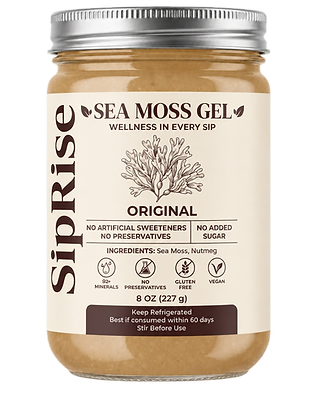
Can SipRise sea moss blends help with my zinc intake?
Our sea moss blends are designed to be a nourishing addition to your daily ritual, offering a wide spectrum of trace minerals. While they contribute to your overall nutrient intake, they are intended to complement a balanced diet, not replace the whole foods that provide your primary source of zinc.
As you move through your week, consider how you might weave these small, mineral-rich habits into your routine. Perhaps it is adding a handful of pumpkin seeds to your morning porridge or choosing a protein-rich lunch that supports your body's needs. Wellness is rarely about a single, dramatic change; it is found in the quiet, consistent choices we make every day. By focusing on whole foods and listening to what your body requires, you build a foundation that sustains you long after the week is done. Keep it simple, stay consistent, and let your body do the rest.