
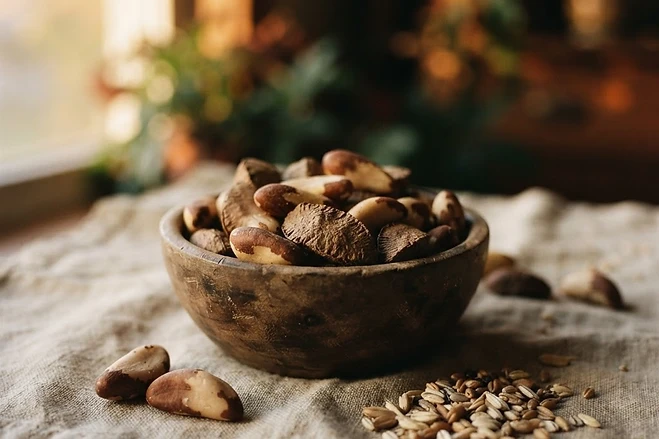
Monday morning often arrives with a quiet stillness, a moment to reset before the week gathers its momentum. In the Caribbean, we often mark these transitions with a simple, grounding ritual—a warm cup of tea or a slow start that honors the body’s need for rhythm. This week, we turn our attention to selenium, a trace mineral that works behind the scenes to support your internal balance. While it is easy to focus on the loud, visible aspects of health, true vitality often resides in these small, essential components. Understanding how selenium fits into your life is not about chasing perfection, but about appreciating the subtle, steady support your body requires to function at its best.
What is selenium and why does your body need it
Selenium is an essential trace mineral, meaning your body requires only tiny amounts to maintain its daily operations. Despite its small requirement, it plays a significant role in supporting your metabolism, immune system, and cardiovascular health . It acts as a key component of selenoproteins, which are involved in various biological processes, including the regulation of thyroid hormones and the protection of cells from oxidative stress .
Because your body cannot produce selenium on its own, you must obtain it through your diet . It is found in the soil and water, which is then absorbed by plants and consumed by animals, making it a natural part of a varied food intake . When you eat a balanced diet, you are likely already meeting your body's needs for this quiet, essential mineral .
- Supports healthy thyroid function
- Assists in immune system regulation
- Helps protect cells from oxidative stress
- Contributes to reproductive health
- Maintains normal metabolic processes
How to incorporate selenium into your weekly routine
The most effective way to ensure you are getting enough selenium is through a diverse, whole-food diet. You do not need to overthink your intake; instead, focus on incorporating a variety of nutrient-dense foods throughout your week. Seafood, lean meats, dairy products, and whole grains are reliable sources that fit easily into most meal plans .
For those who enjoy plant-based options, Brazil nuts are a well-known, potent source of selenium . Adding a few to your morning porridge or enjoying them as a midday snack can be a simple way to support your levels. Remember that SipRise blends are designed to complement these dietary choices, acting as a gentle addition to your day rather than a replacement for the foundational nutrition found in your meals.
- Incorporate Brazil nuts into your morning snack
- Choose whole-wheat bread or brown rice
- Include wild-caught fish in your weekly dinner rotation
- Add lean poultry or eggs to your lunch
- Use SipRise blends as a mindful addition to your routine
Understanding the balance of selenium intake
While selenium is essential, it is possible to have too much of a good thing. The recommended dietary allowance for most adults is 55 micrograms per day, with a safe upper limit set at 400 micrograms . Consuming amounts significantly higher than this over time can lead to health concerns, so it is important to view supplements with caution .
Research indicates that for individuals with adequate selenium levels, there is no clear evidence that additional supplementation provides extra health benefits . In fact, some studies suggest that high-dose supplementation may be unnecessary or even counterproductive for certain populations . Always prioritize food sources first and consult with your healthcare provider before adding any concentrated supplements to your regimen.
- Stick to the recommended daily allowance
- Avoid high-dose selenium supplements
- Prioritize whole foods over isolated nutrients
- Consult a doctor before starting new supplements
- Monitor your intake if you live in high-selenium soil areas
What the current research says
Scientists continue to study selenium to better understand its long-term impact on health. While early research explored its potential in preventing chronic conditions, current findings are often mixed or inconclusive . For instance, while selenium is vital for thyroid health, studies have shown that supplementation does not always provide significant benefits for those who are already healthy .
Similarly, while researchers have investigated the role of selenium in cognitive function and cancer prevention, the evidence remains insufficient to support the use of supplements for these purposes [5, 10]. The consensus among health professionals is that a balanced diet remains the gold standard for maintaining optimal selenium status, as it provides the mineral in a form the body is well-equipped to process .
- Evidence for cancer prevention is currently inconclusive
- Supplements show limited benefit for those with normal levels
- Thyroid health relies on adequate, not excessive, intake
- Research on cognitive health is still ongoing
- Dietary intake is superior to synthetic supplementation
Questions we hear often
How can I tell if I am deficient in selenium?
Selenium deficiency is rare in most parts of the world, including the U.S., for those eating a varied diet . There is no simple physical sign of deficiency; the only reliable way to determine your levels is through a blood test ordered by your healthcare provider .
Should I take a selenium supplement?
Most people get enough selenium from their daily food intake . Because there is a narrow range between a healthy amount and an excessive one, you should only consider supplementation if a doctor has identified a specific deficiency and recommended it [2, 5].
As you move through this week, consider how you might invite more variety into your kitchen. Perhaps it is as simple as adding a handful of nuts to your breakfast or choosing a different whole grain for your evening meal. Wellness is rarely about a single, grand gesture; it is found in the quiet, consistent choices we make every day. By focusing on whole foods and listening to your body, you provide yourself with the steady foundation needed to thrive. Let this week be a reminder that you already have the tools to support your vitality, one mindful bite at a time.