Monday morning often arrives with a quiet demand for momentum. As the sun catches the steam rising from a morning cup, there is a moment to consider the internal rhythms that keep us moving. Just as the tides shift along the Caribbean coast, our bodies rely on subtle, constant processes to maintain balance. Iron is one of these quiet engines, working behind the scenes to support the oxygen flow that fuels your muscles and mind. It is not about a sudden surge of energy, but rather the steady, reliable foundation that allows you to meet the week with clarity. Understanding how to nourish this system is a simple, grounding ritual for the days ahead.
What does iron actually do in the body?
At its core, iron is a vital component of hemoglobin, a protein in your red blood cells that carries oxygen from your lungs to the rest of your body . Without sufficient iron, your body struggles to transport this oxygen efficiently, which can lead to feelings of fatigue, weakness, or lightheadedness [7, 10]. It is also a key part of myoglobin, a protein that provides oxygen to your muscles .
Because iron is essential for cellular function, your body works hard to regulate it [3, 10]. When levels are low, the body attempts to adapt by increasing iron uptake and releasing stored iron into the bloodstream . However, because these processes are complex, it is important to view iron as a long-term nutritional priority rather than a quick fix.
- Supports oxygen transport via hemoglobin
- Assists muscle function through myoglobin
- Contributes to overall cellular energy
- Requires consistent dietary intake for balance
Why is iron absorption so complex?
Not all iron is created equal. Nutritionists distinguish between heme iron, found in animal products, and non-heme iron, found in plant-based foods [8, 10]. Heme iron is generally absorbed more efficiently by the body [1, 10]. Non-heme iron, while abundant in many plant sources, is more sensitive to other compounds in your diet [6, 8].
Certain substances can act as inhibitors, making it harder for your body to absorb non-heme iron. Phytates found in grains and legumes, as well as polyphenols in tea and coffee, can reduce absorption [1, 6]. Conversely, pairing plant-based iron sources with vitamin C can help improve the process . Always consult your healthcare provider to understand your specific needs, as individual absorption rates vary significantly .
- Heme iron (animal sources) is highly bioavailable
- Non-heme iron (plant sources) is more sensitive to inhibitors
- Phytates and polyphenols can reduce iron absorption
- Vitamin C helps enhance non-heme iron uptake
How to work iron into your weekly rhythm
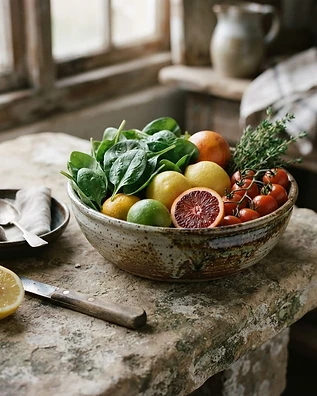
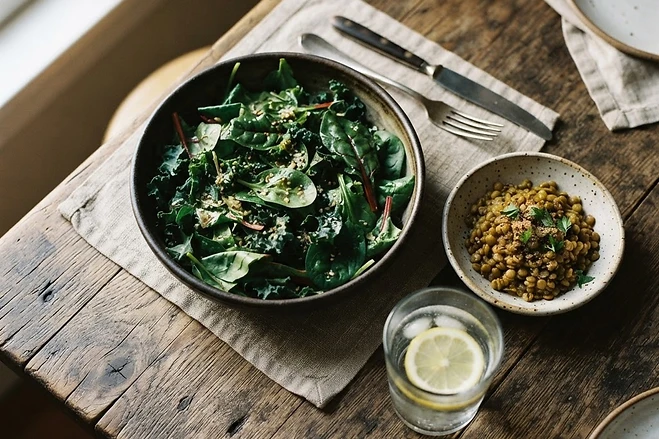
Building an iron-conscious week starts in the kitchen. Focus on a varied diet that includes lean meats, poultry, or seafood if you consume them, alongside iron-rich plant foods like lentils, beans, and dark leafy greens [3, 7, 8]. These foods provide the building blocks your body needs to maintain its natural stores.
At SipRise, we view our sea moss blends as a thoughtful addition to this foundation, not a replacement for a balanced diet. Incorporating a spoonful of sea moss into a morning smoothie or bowl is a simple way to add texture and ritual to your day. Remember that food is always the primary source of nutrition, and supplements should only be considered after discussing your blood work with a professional .
- Include lean proteins like poultry or fish
- Add lentils and beans to your weekly meal prep
- Pair spinach or kale with citrus for better absorption
- Use sea moss as a consistent, grounding ritual
Questions we hear often
How do I know if I am iron deficient?
Symptoms like persistent fatigue, pale skin, or dizziness are common signs, but they can also stem from many other causes [7, 10]. Because these symptoms are non-specific, you cannot diagnose yourself. A healthcare provider must perform a blood test to accurately assess your iron levels and determine if you have iron deficiency anemia .
Can I get enough iron from a plant-based diet?
Yes, it is possible, but it requires intentional planning. Since non-heme iron from plants is less easily absorbed, you should focus on consuming a variety of iron-rich plant foods like legumes, tofu, and greens [1, 7]. Pairing these with vitamin C-rich foods can help maximize your body's ability to absorb the iron present in your meals .
As you move through the week, consider how small, consistent choices build your overall well-being. Perhaps this is the week you experiment with a new recipe featuring lentils or finally pair your morning greens with a squeeze of fresh lemon. These are not grand gestures, but they are the quiet habits that sustain you. Keep your routine simple, listen to your body, and remember that wellness is a practice of steady, daily attention. SipRise is here to support that rhythm, one mindful moment at a time.