
Monday morning often begins with the quiet hum of a kettle and the soft light filtering through the kitchen window. It is a moment to reset, to acknowledge the rhythm of the week ahead, and to consider what our bodies need to function with ease. Just as the Caribbean tides bring essential nutrients to the shore, our bodies rely on trace minerals to maintain their internal balance. Among these, iodine stands as a silent but vital player. It is not a flashy nutrient, yet it is essential for the thyroid gland and the complex work of metabolism. As we step into this new week, let us look at how this trace mineral fits into a balanced, thoughtful approach to daily nourishment.
What is iodine and why does your body need it
Iodine is an essential trace mineral that your body cannot produce on its own, meaning it must be obtained through the food you eat . It is found naturally in the soil and the ocean, which is why seafood and sea-grown plants are often rich sources [1, 4]. Once consumed, your body uses iodine primarily to support the thyroid gland . This small, butterfly-shaped gland sits at the base of your neck and produces hormones that regulate your metabolism, growth, and various systemic functions [1, 4].
Because the thyroid relies on a steady supply of this mineral to function, maintaining adequate levels is a cornerstone of general wellness . When iodine intake is consistently low, the thyroid may struggle to produce the hormones necessary for these processes . While the body is resilient, it requires consistent, moderate intake rather than large, sporadic amounts to keep these internal systems running smoothly .
It is important to note that while iodine is essential, more is not always better. The thyroid is sensitive to both low and high levels of iodine, and excessive intake can also interfere with its function . If you have concerns about your thyroid health or suspect a deficiency, it is essential to consult with a healthcare provider rather than attempting to self-manage with high-dose supplements .
- Iodine is a trace mineral essential for thyroid hormone production [1, 4].
- The body cannot make iodine, so it must come from your diet .
- Thyroid hormones regulate metabolism and growth .
- Both low and high levels of iodine can impact thyroid function .
Where to find iodine in your weekly meals
The most reliable way to ensure you are getting enough iodine is through a varied, whole-food diet . Seafood is perhaps the most well-known source, including cod, tuna, and shrimp [3, 4]. If you enjoy plant-based options, seaweed—such as kelp, nori, and wakame—is exceptionally rich in this mineral [2, 4]. Because the iodine content in seaweed can vary significantly depending on the species and where it was harvested, it is best enjoyed as part of a diverse rotation of foods rather than a daily staple .
Dairy products like milk, yogurt, and cheese are also significant contributors to iodine intake in many diets [3, 9]. For those who use salt, iodized table salt remains a common way to ensure a baseline intake, a practice introduced decades ago to help prevent deficiency . Eggs and certain grains can also provide smaller, helpful amounts of this mineral [1, 9].
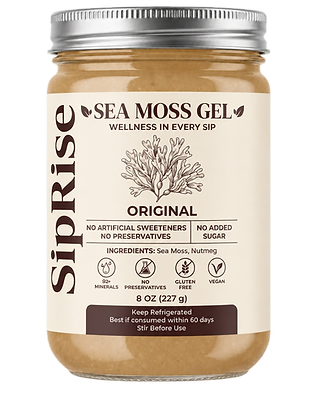
When you incorporate SipRise sea moss blends into your morning routine, think of them as a complement to these foundational foods. Sea moss is a type of red algae that may contain varying amounts of minerals, including iodine, depending on its source and processing . It is a gentle addition to a smoothie or tea, but it should never replace the diverse nutrients found in a balanced plate of whole foods.
- Incorporate seafood like cod or shrimp a few times a week .
- Use seaweed in moderation, such as nori sheets or kelp flakes .
- Include dairy or fortified alternatives in your morning bowl .
- Choose iodized salt when seasoning your home-cooked meals .
Understanding the signs of imbalance
Because iodine is so closely tied to thyroid function, signs of imbalance often mirror the symptoms of thyroid-related issues . Common indicators that a person might be struggling with low iodine levels include fatigue, weight gain, or a feeling of weakness [5, 7]. Some people may also notice changes in their skin or hair, such as dryness or thinning [5, 7]. In some cases, a lack of iodine can lead to an enlarged thyroid gland, known as a goiter [4, 7].
It is vital to remember that these symptoms are not specific to iodine deficiency alone; they can be caused by many different health factors . Never assume that a change in your energy or physical state is solely due to a mineral deficiency. If you are experiencing persistent fatigue or other concerning symptoms, the most responsible step is to speak with a doctor who can perform the appropriate blood tests to determine your actual needs .
- Persistent fatigue or low energy levels [5, 7].
- Unexplained weight changes [5, 7].
- Dry, thinning hair or dry skin .
- Visible swelling in the neck area .
Questions we hear often
Can I get too much iodine from sea moss?
Yes, it is possible. Sea moss is a natural product, and its mineral content can vary widely based on where it was harvested. Because it is a seaweed, it can be high in iodine. Consuming excessive amounts of iodine can interfere with thyroid function, so it is best to use sea moss in moderation as part of a varied diet.
Should I take an iodine supplement?
Most people can meet their needs through a balanced diet. Supplements should only be used under the guidance of a healthcare provider. Taking iodine without a confirmed deficiency can lead to excessive intake, which may negatively impact your thyroid. Always consult your doctor before adding any mineral supplement to your routine.
As you move through this week, consider how you can bring more variety to your plate. Perhaps it is adding a sprinkle of nori to your grain bowl or choosing a yogurt with your morning fruit. These small, intentional choices are the building blocks of a sustainable wellness practice. Remember that your body thrives on consistency, not intensity. By focusing on whole foods and listening to your body’s signals, you are already doing the work of building a solid foundation. Keep your routine simple, stay curious, and enjoy the process of nourishing yourself one meal at a time.