
Monday morning often arrives with a quiet stillness, a moment to reset before the week accelerates. Perhaps you find yourself in the kitchen, the light catching the steam from a warm cup, or maybe you are simply taking a breath before the first email lands. This is the time to consider the foundations of your well-being, the quiet, structural elements that keep you moving through the days ahead. Just as a sturdy home relies on its frame, your body relies on calcium to maintain its internal architecture. It is a macro mineral that works silently in the background, supporting your movement and your rhythm, ensuring that every step you take is backed by a steady, reliable strength.
What does calcium actually do in the body?
While many associate calcium primarily with bone health, its role in your physiology is far more expansive. It is a vital macro mineral that assists in the regulation of heart muscle functions and supports essential nerve transmission throughout your system . Beyond structure, calcium acts as a signaling agent, playing a part in blood clotting and the release of hormones that keep your body in balance .
Because your body does not produce calcium on its own, it must be sourced from your environment. When your intake is insufficient, the body may draw upon the reserves stored in your bones to maintain these critical functions . This is why consistent, daily nourishment is the most effective way to support your long-term vitality rather than relying on sporadic bursts of intake .
- Supports the structural integrity of bones and teeth
- Facilitates proper nerve signal transmission
- Assists in the regulation of heart muscle contractions
- Plays a role in blood clotting processes
- Helps regulate the release of essential hormones
How much calcium do you really need?
The amount of calcium you require shifts throughout your life, often depending on your age and specific health needs. For adults between 19 and 50 years old, the general guidance is 1000 mg per day, while those over 50 may require 1200 mg daily . These numbers are not rigid prescriptions but rather targets to help you gauge your daily intake through a varied diet .
It is important to remember that your body absorbs calcium most efficiently in smaller, frequent amounts rather than one large dose . Aiming for 500 mg or less per serving allows your digestive system to process the mineral more effectively . If you are considering supplementation to meet these targets, always consult with your doctor first to ensure it aligns with your individual health profile .
- Focus on food sources as your primary intake
- Aim for smaller, frequent servings throughout the day
- Pair calcium-rich foods with vitamin D for better absorption
- Check labels on fortified beverages and cereals
- Discuss specific needs with your healthcare provider
Where can you find calcium in your daily meals?
Building a calcium-rich routine does not require complex changes. Dairy products like milk, yogurt, and cheese remain the most common sources for many, but the options are diverse [4, 6]. If you prefer plant-based sources, you can find calcium in leafy greens like kale, collards, and bok choy, as well as in legumes and tofu [4, 8].
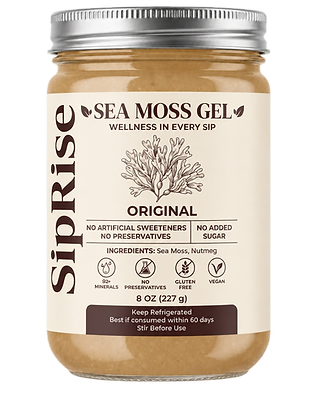
Fortified foods also play a significant role in modern nutrition. Many plant-based milks, cereals, and even orange juices are now enriched with calcium, making it easier to reach your daily goals [4, 8]. At SipRise, we view these foods as the foundation of your wellness, with our sea moss blends serving as a simple, thoughtful addition to your existing, varied diet.
- Incorporate yogurt or fortified non-dairy milk into your morning
- Add cooked spinach or collard greens to your lunch
- Include canned sardines or salmon with bones in your rotation
- Choose calcium-fortified tofu for a versatile dinner protein
- Snack on hard cheeses or almonds for a quick boost
Why does absorption matter?
Calcium is a large mineral, and its journey from your plate to your bloodstream is influenced by several factors . Vitamin D is perhaps the most critical partner in this process, as it is essential for the active transport of calcium in the intestine [2, 9]. Without adequate vitamin D, your body struggles to utilize the calcium you consume, regardless of how much you take in .
Your digestive health also plays a role. Conditions that impair digestion can affect how well you absorb nutrients, making it even more important to focus on high-quality, bioavailable food sources . By maintaining a balanced diet and ensuring you have enough vitamin D through sunlight or food, you create the best environment for your body to thrive .
- Prioritize vitamin D intake to support absorption
- Eat a variety of foods to ensure consistent mineral levels
- Be mindful of digestive health and overall gut function
- Avoid relying on single-source supplementation
- Keep meals balanced to optimize nutrient uptake
Questions we hear often
Is it better to get calcium from food or supplements?
Reputable health organizations consistently recommend obtaining calcium through a varied diet of calcium-rich foods [8, 9]. Food sources provide a complex matrix of nutrients that work together to support absorption . Supplements should only be considered if you cannot meet your needs through food, and always under the guidance of your doctor .
Does the time of day I consume calcium matter?
Because your body absorbs calcium best in smaller amounts, the timing is less about a specific hour and more about distribution . Spreading your intake across your meals throughout the day is more effective than consuming a large amount at once. This ensures your body has a steady supply to support its ongoing functions .
As you move through this week, consider how you might weave these small, structural habits into your routine. Perhaps it is a splash of fortified almond milk in your morning SipRise blend or a side of sautéed greens with your evening meal. Wellness is rarely about a single, grand gesture; it is found in the quiet, consistent choices you make every day. Start small, listen to your body, and build your foundation one meal at a time. You have everything you need to support your own vitality.